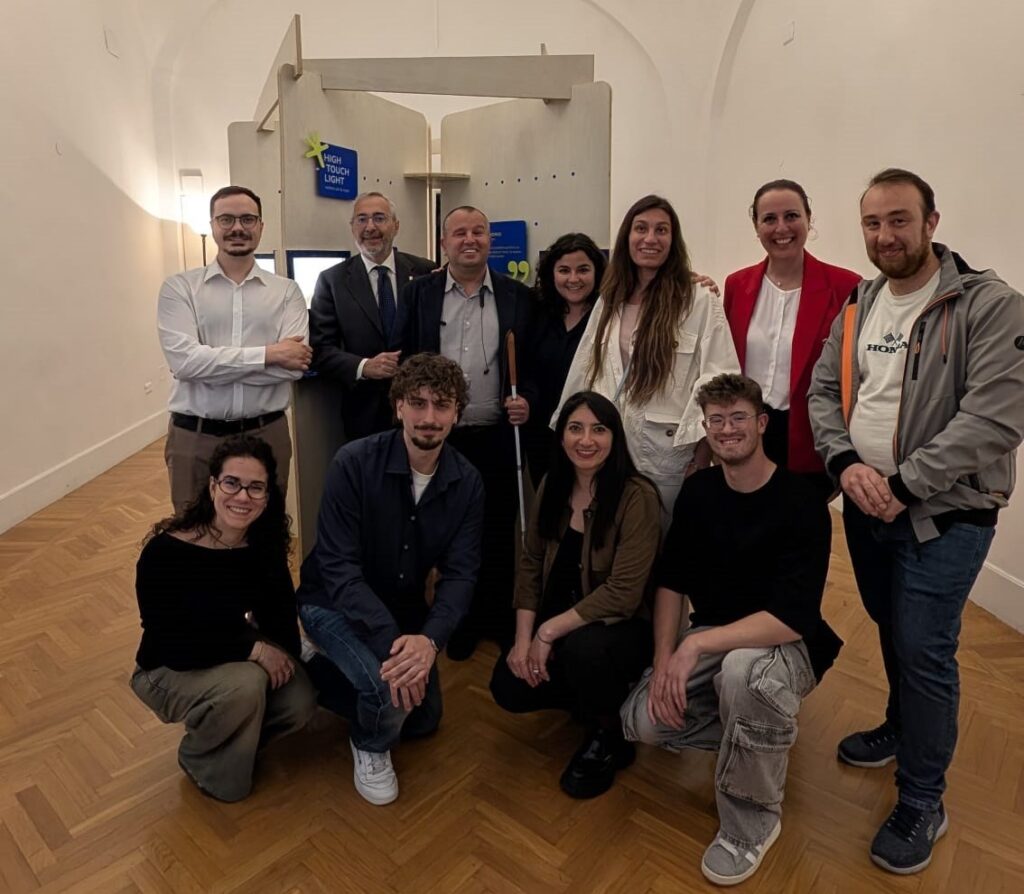
High Touch Light explores how photography can move beyond vision and become a physical, tactile experience. The project brings together artificial intelligence, parametric design and 3D printing to turn photographs into objects that can be explored both visually and through touch. Within this framework, Affinity Design Studio contributed to the development of the digital workflow that enabled the transformation from image to three-dimensional form. The initiative was co-funded by Fondazione Banco di Napoli, developed and coordinated by Remade Community Lab, and supported by research from DiARC – University of Naples Federico II.
Learning photography without sight
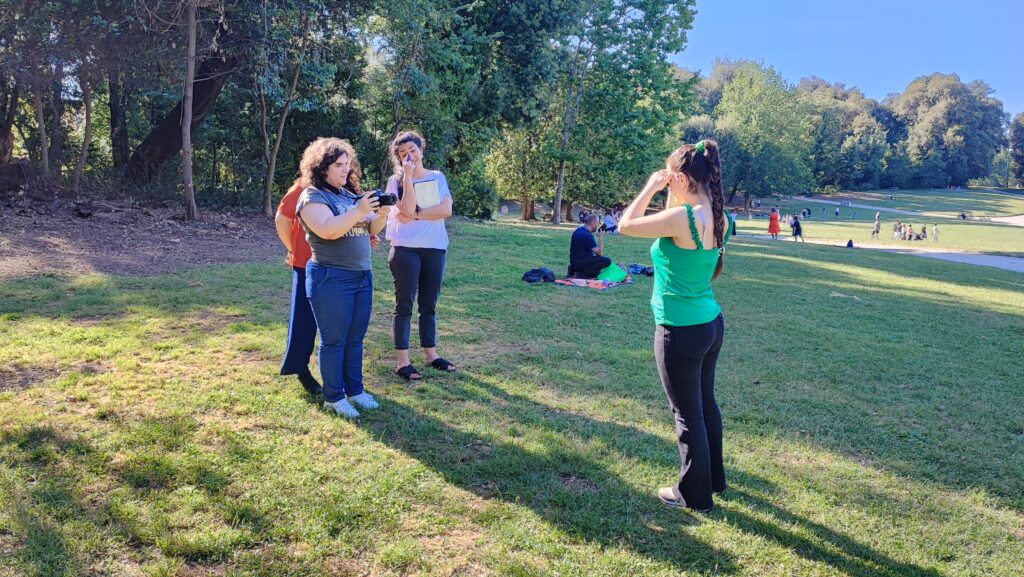
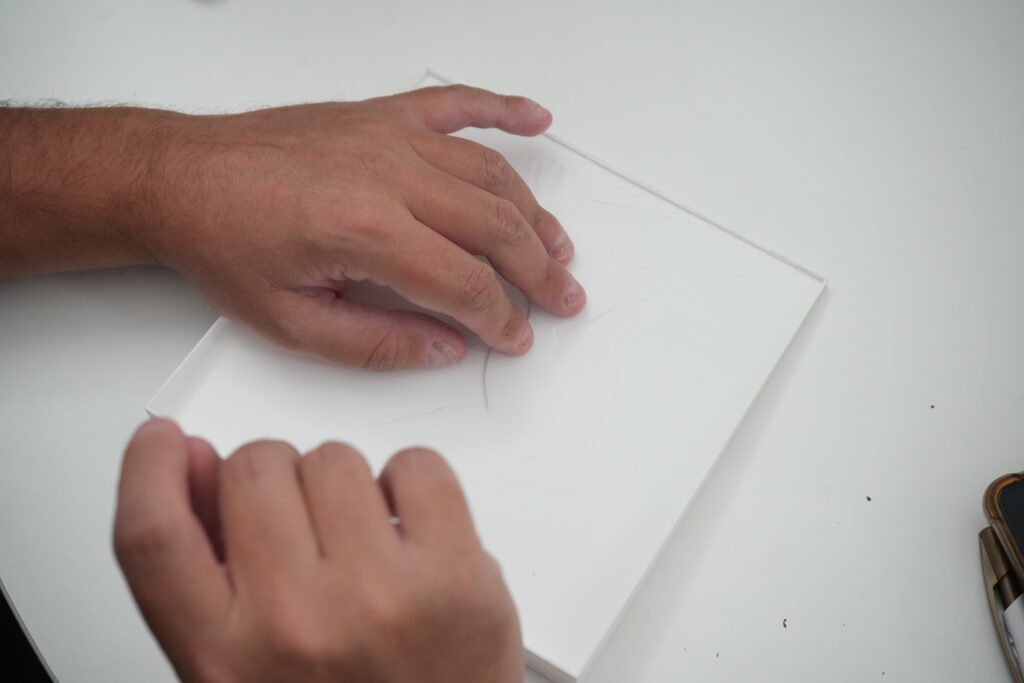
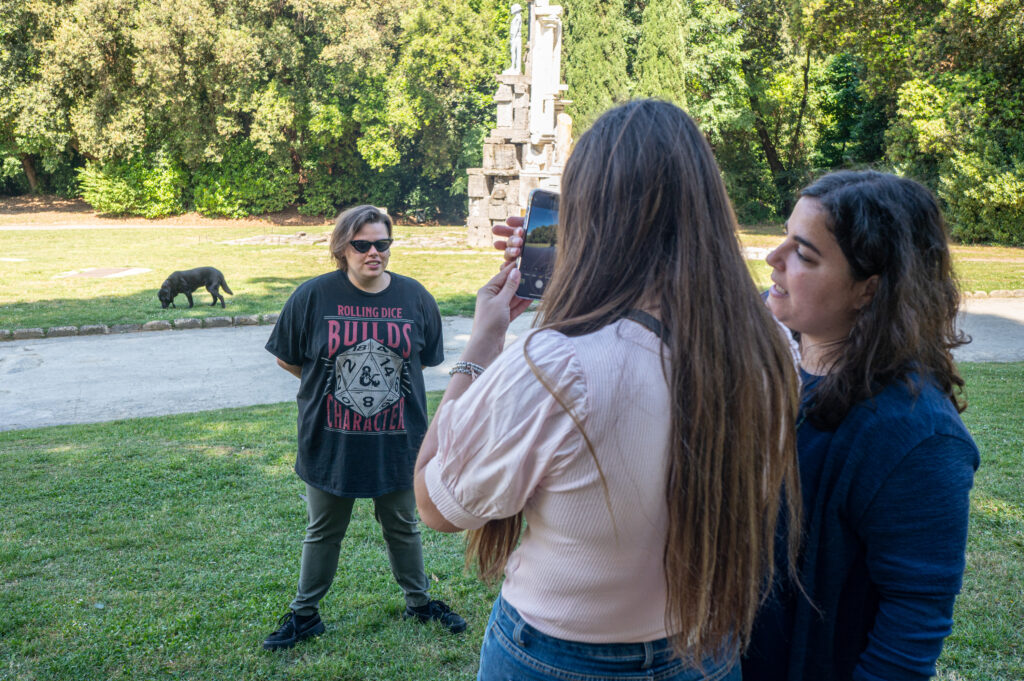
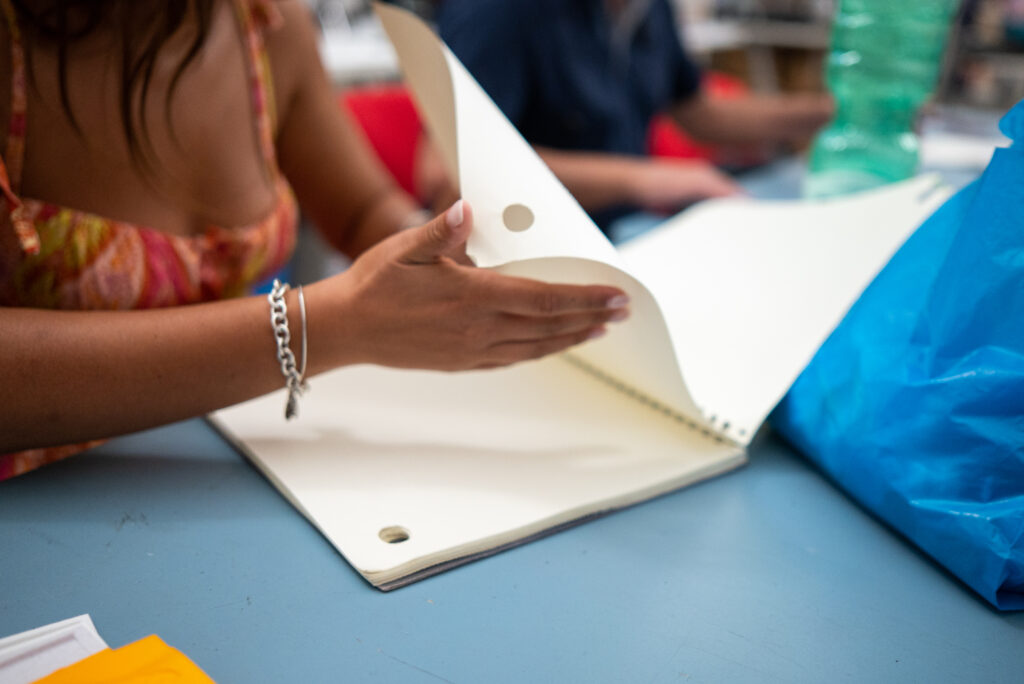
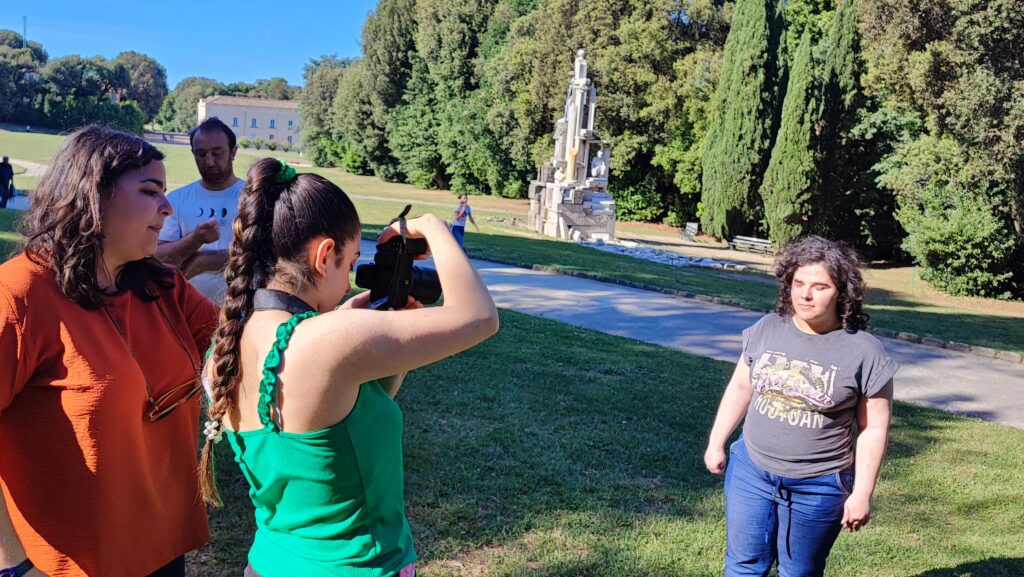
The project began long before any software or fabrication process, with a photography workshop led by photographer Marzia Bertelli and dedicated to blind and visually impaired participants.
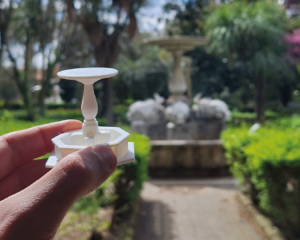
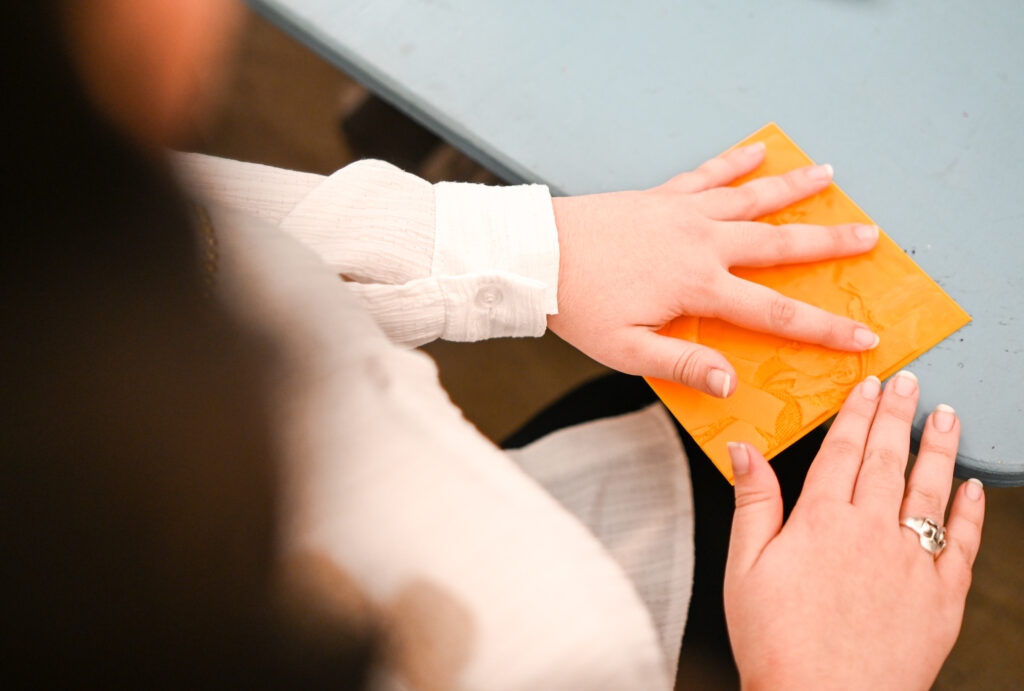
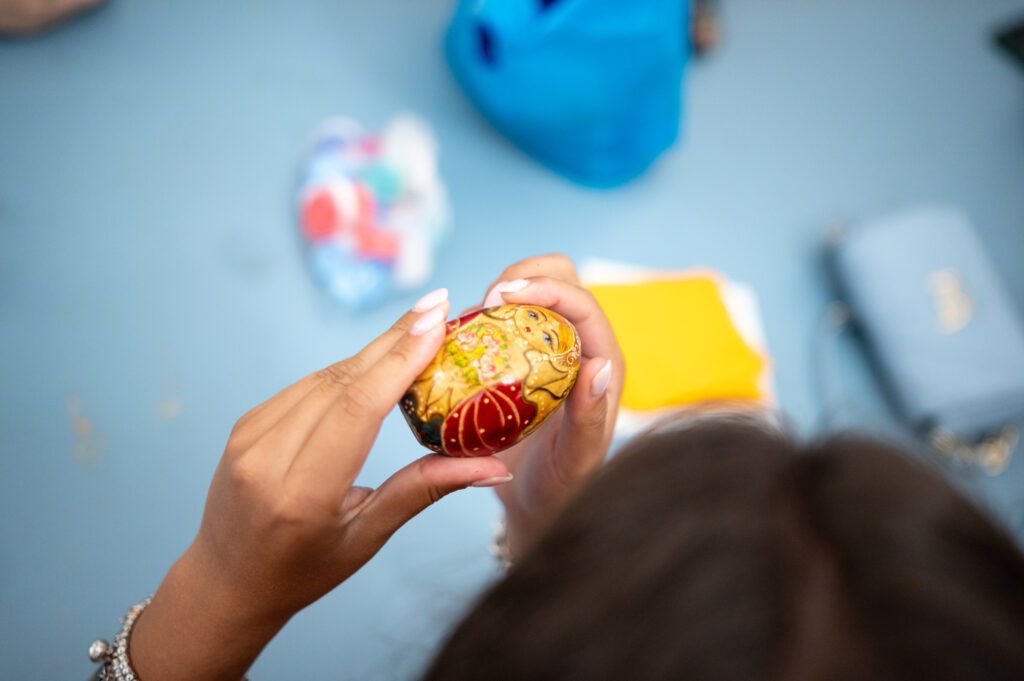
Five participants learned how to take photographs with the support of tutors, experimenting in both indoor and outdoor environments while developing their own relationship with space, light and personal objects. At the end of the workshop, each participant selected a meaningful object to photograph. From this journey, five images — one per author — were chosen and became the starting point for the three-dimensional transformation.
These images are not just visual material: they represent a process of expression, authorship and autonomy.
From photograph to object — building a scalable digital workflow
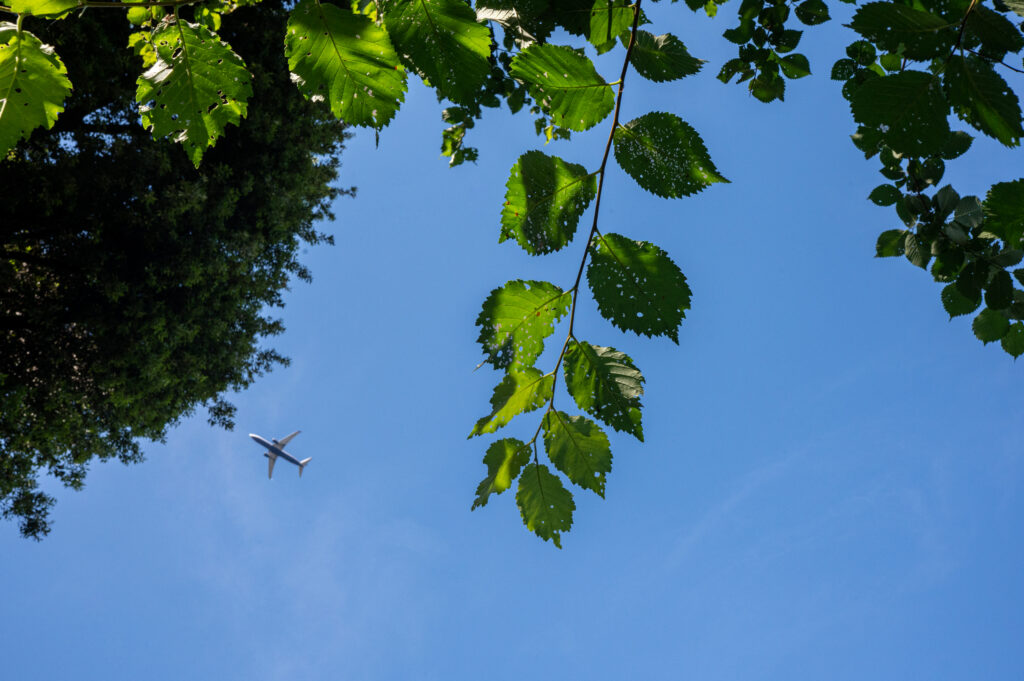
The core challenge of the project was to translate photography — a fast and immediate medium — into tactile objects through a process that could be repeatable and scalable rather than artisanal and time-consuming.
Understanding depth through AI
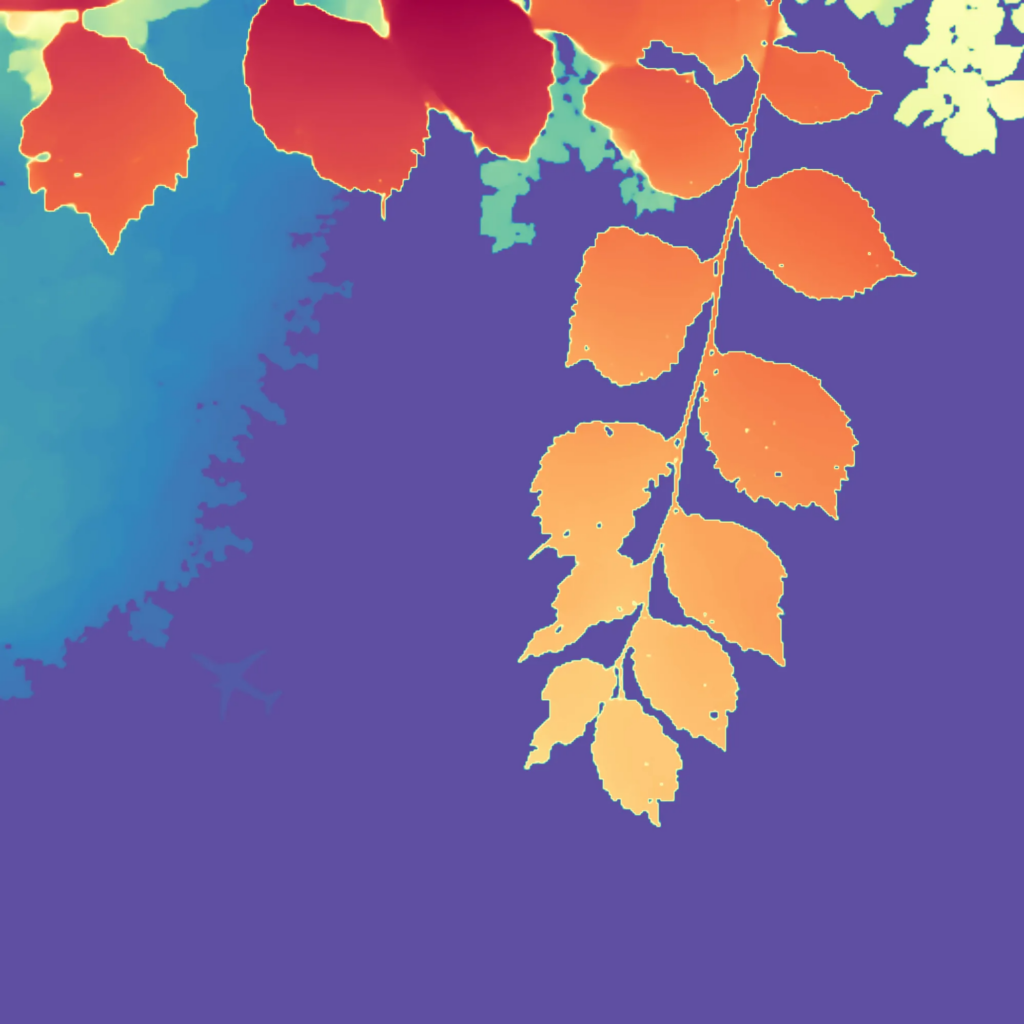
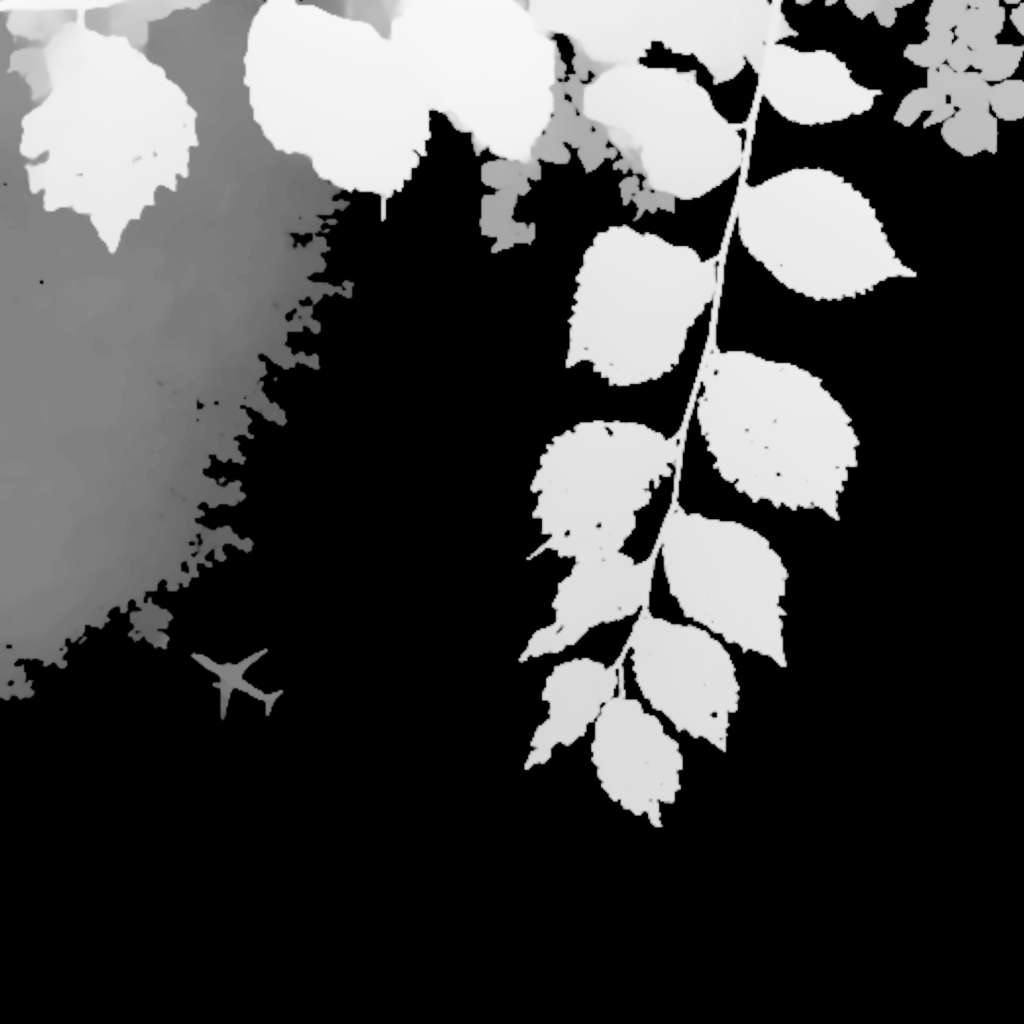
The workflow begins with artificial intelligence generating a depth map from each photograph. This step converts visual distance into a grayscale image where proximity and background are encoded as variations of light and dark. A light refinement in Photoshop helps remove visual noise and improve tactile readability.
Parametric design as the backbone of the process
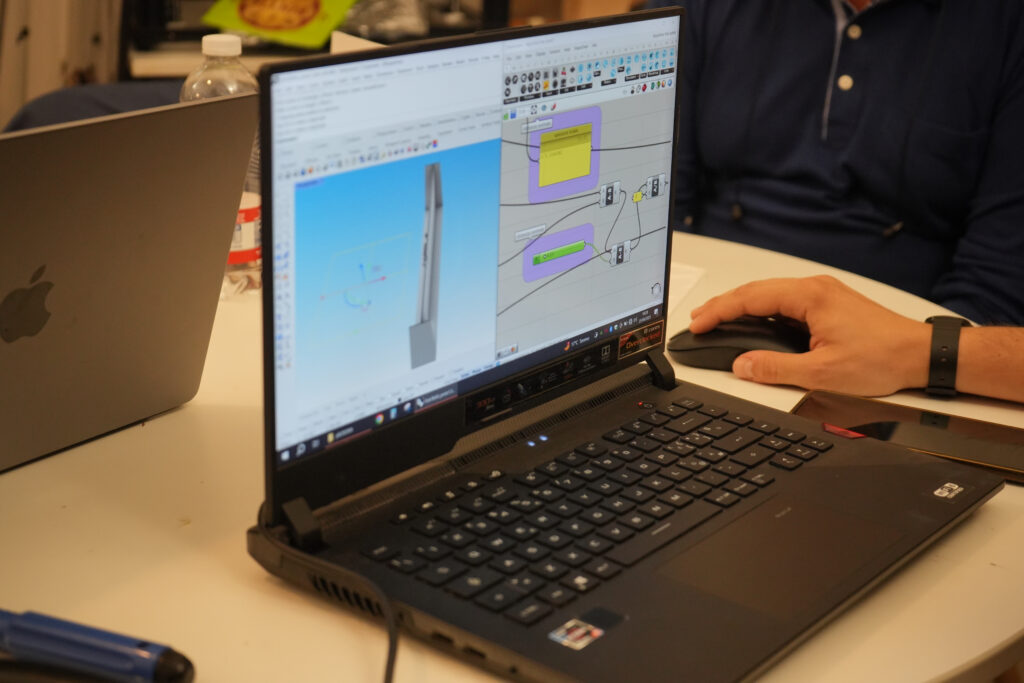
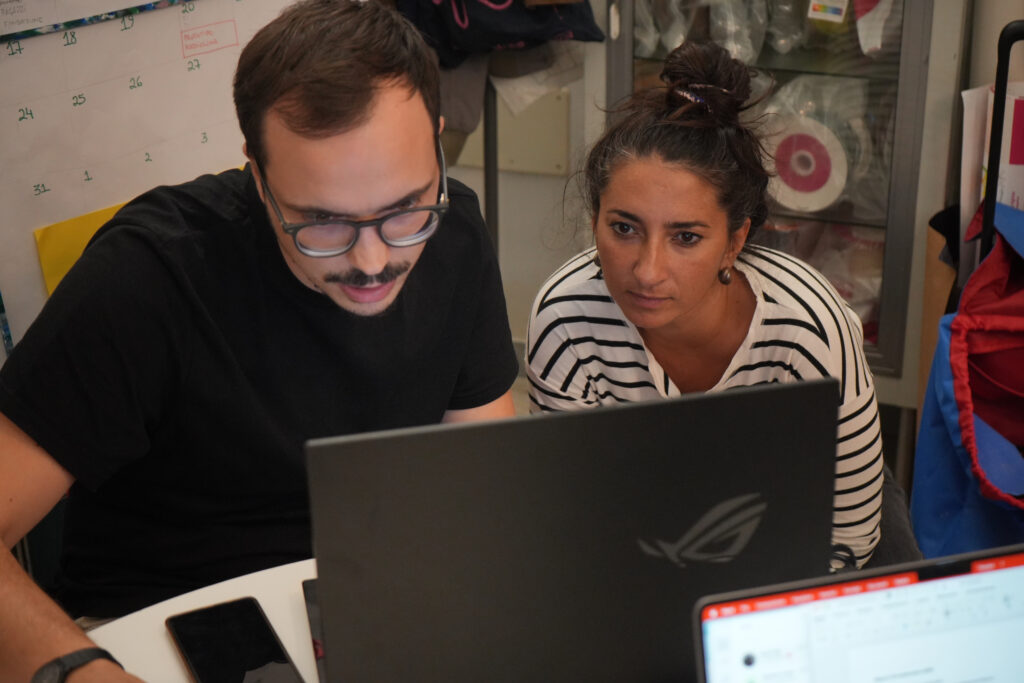
At the center of the workflow lies a generative algorithm built in Grasshopper. This parametric system merges the original photograph, the depth map and the principles of lithophanes to automatically produce a printable 3D model.
Parametric design was crucial: it transformed a complex manual translation into a streamlined and repeatable pipeline, aligning the production process with the immediacy of photography itself.
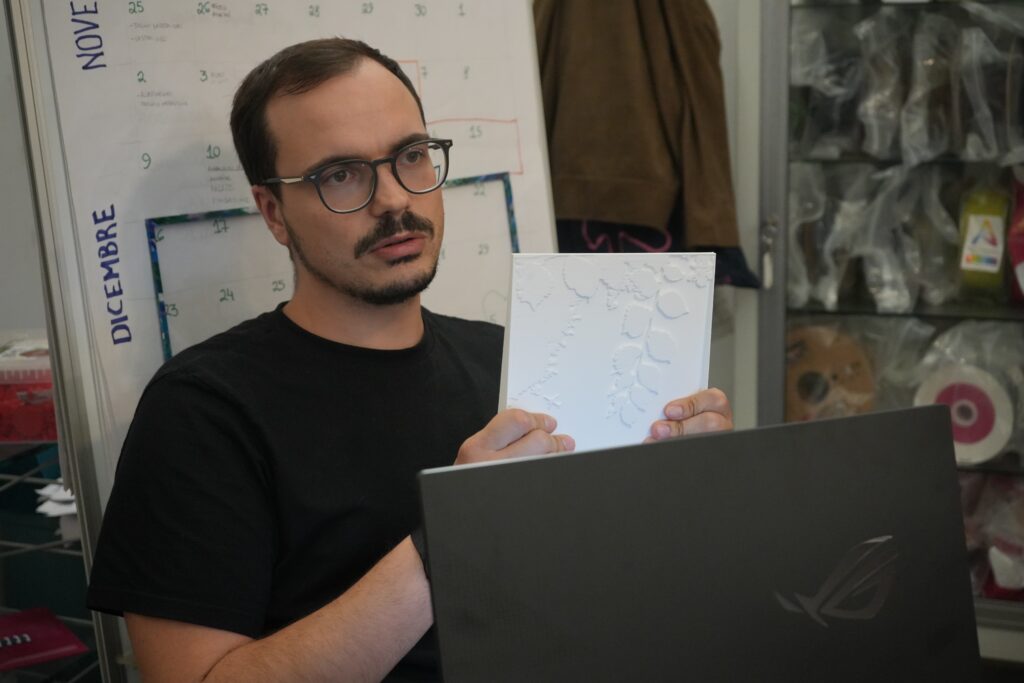
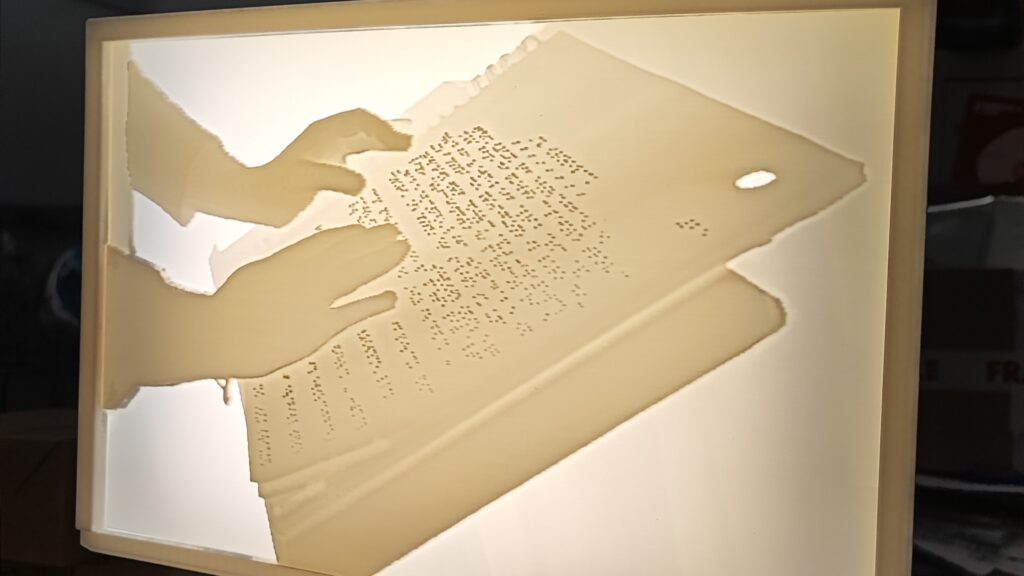
3D printing and the “photo-form
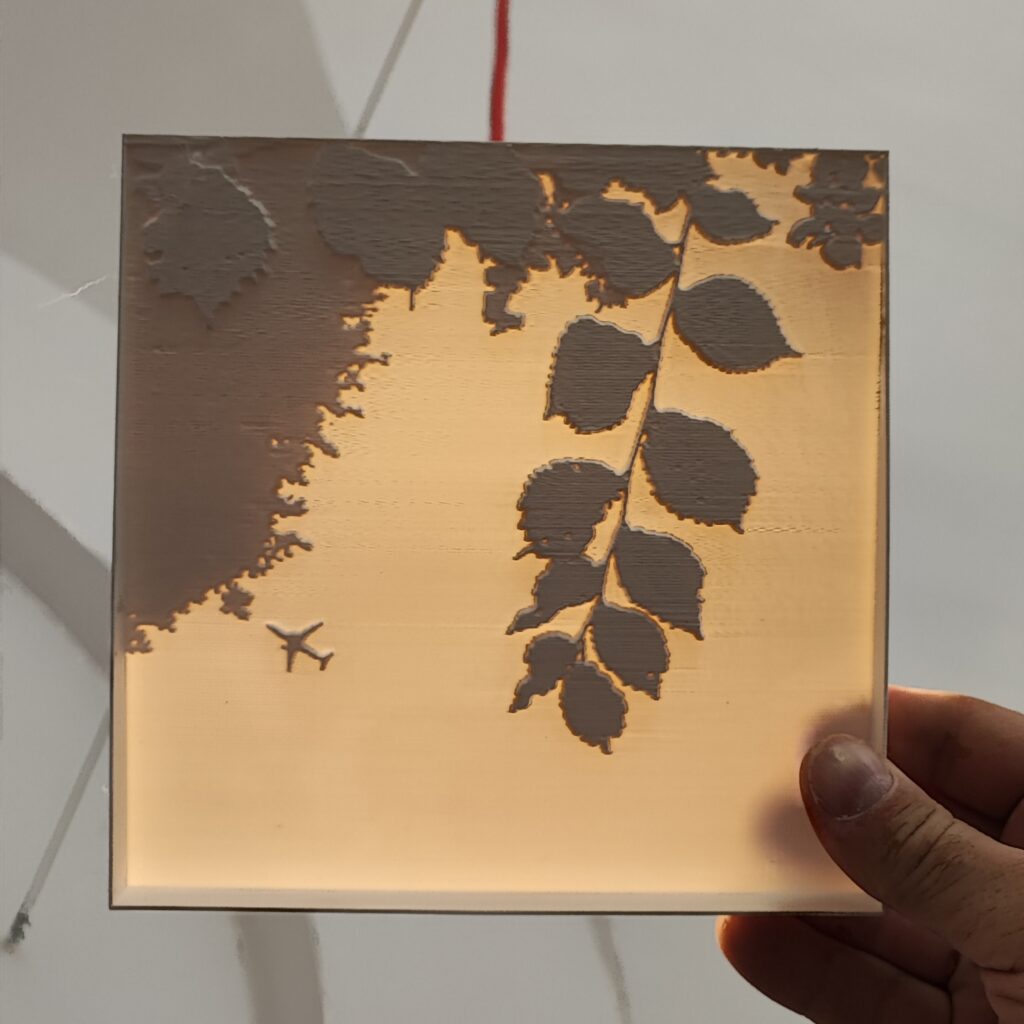
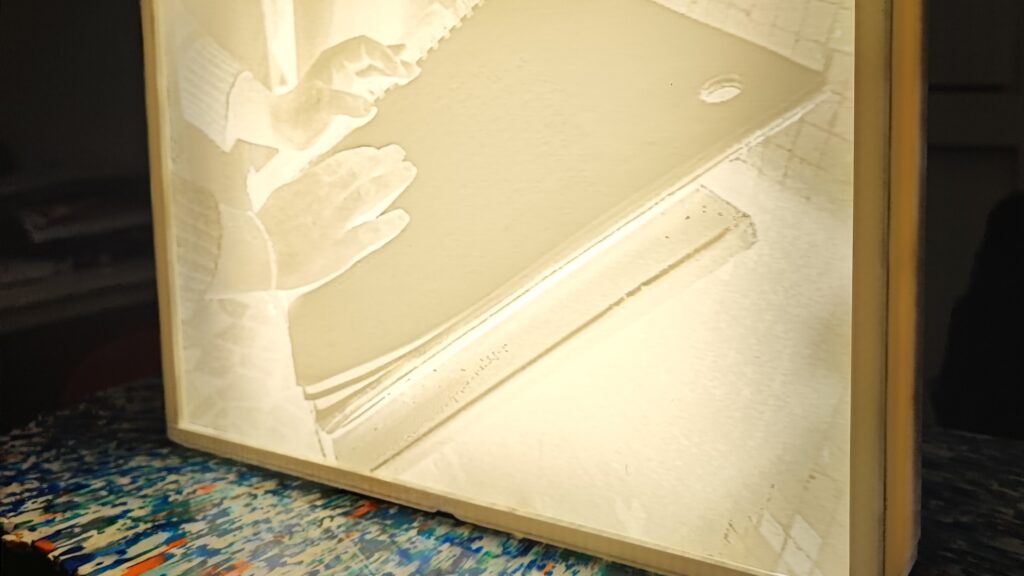
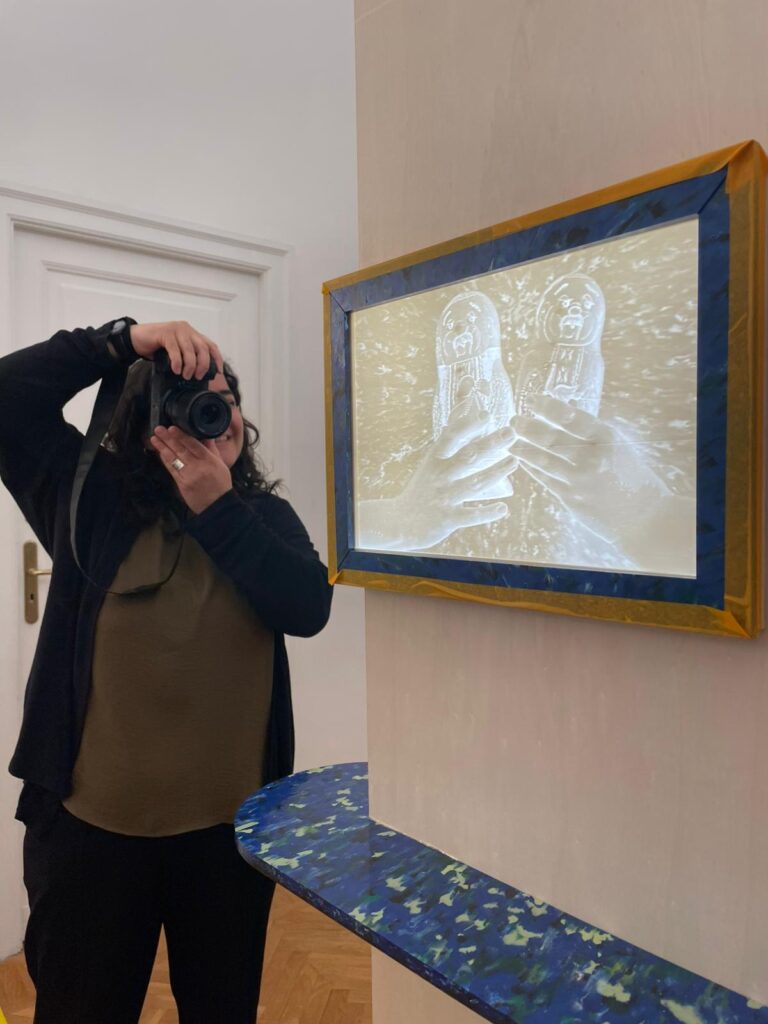
”The resulting model is fabricated through 3D printing, producing an object with a dual nature:
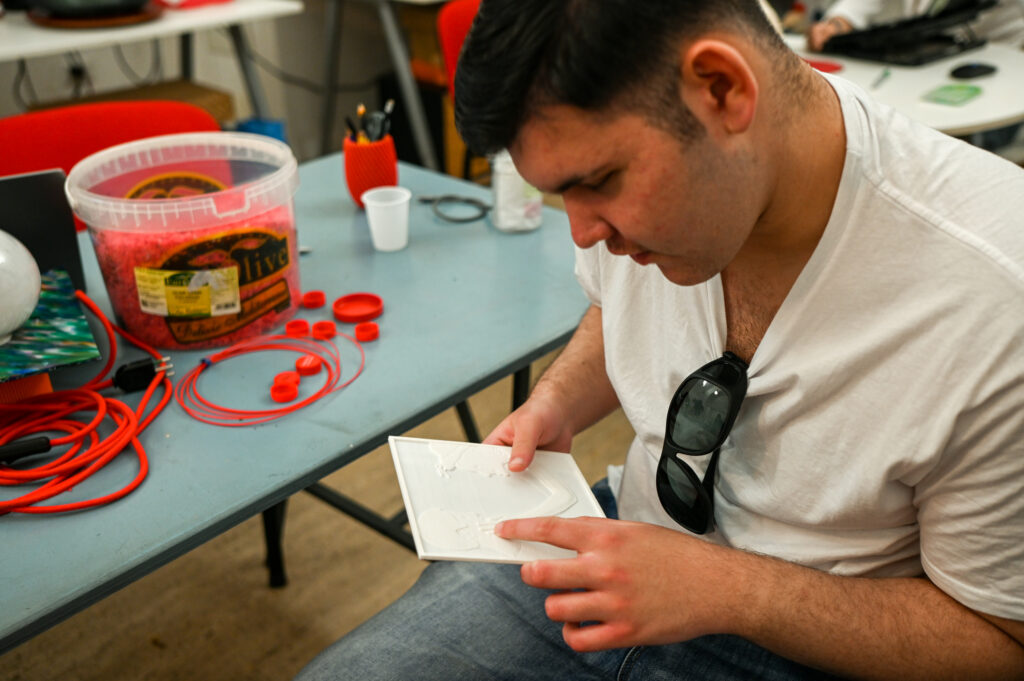
- a tactile relief designed for exploration by hand
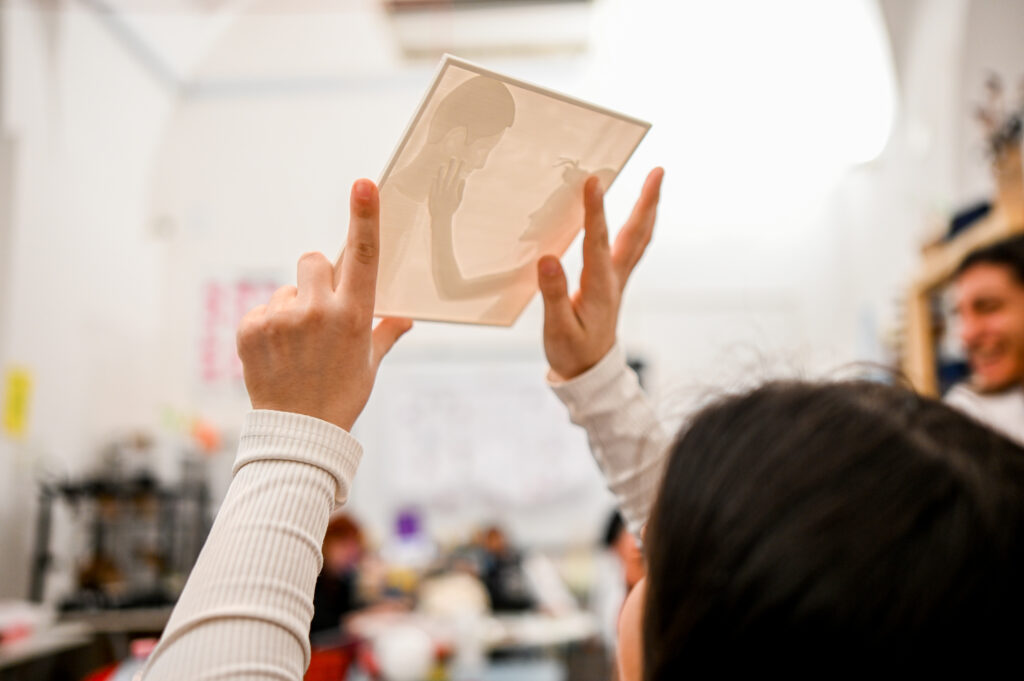
- a backlit lithophane on the reverse side for visual perception
Photography becomes a photo-form — a hybrid object combining visual and haptic experience.
The exhibition — designed for everyone
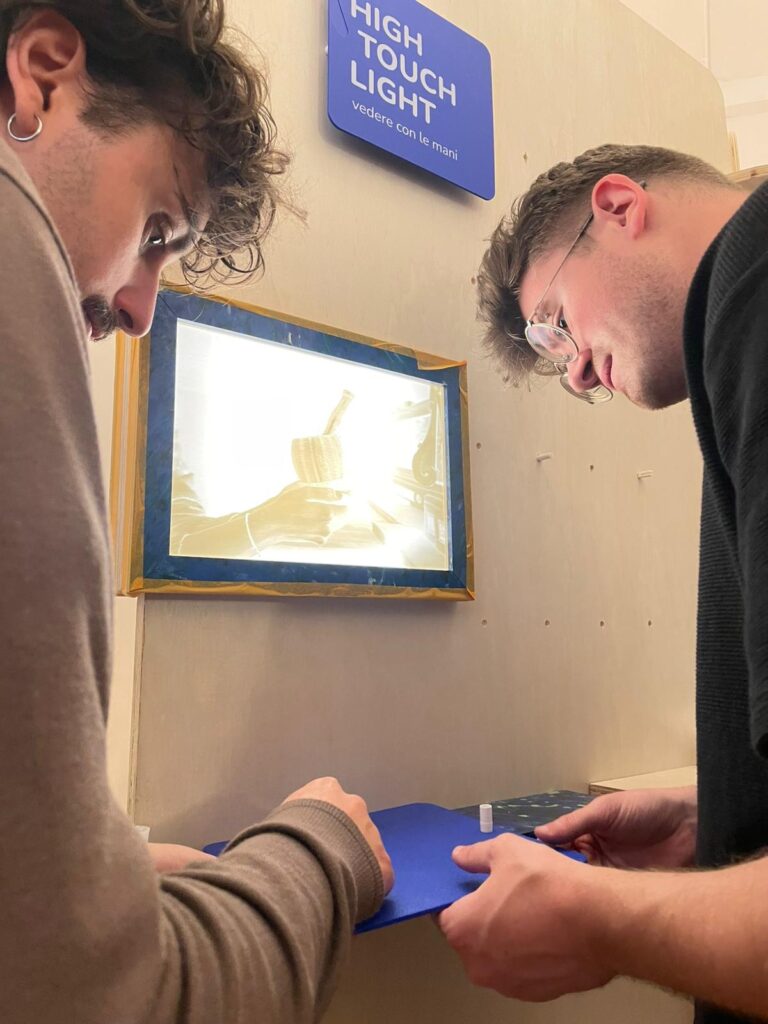
The project culminated in a public exhibition opened on April 13th, 2026 at Palazzo Ricca in Naples, headquarters of Fondazione Banco di Napoli.
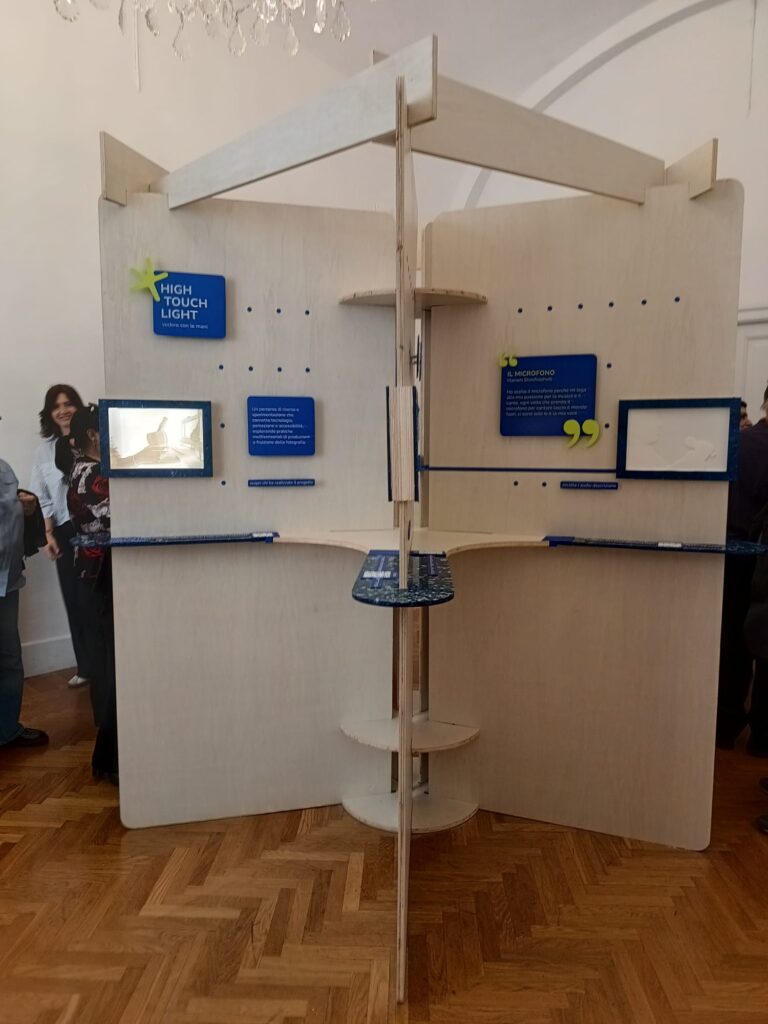
The exhibition was intentionally designed not only for visually impaired visitors, but for everyone, enabling autonomous and shared exploration regardless of visual ability.
The exhibition design featured:
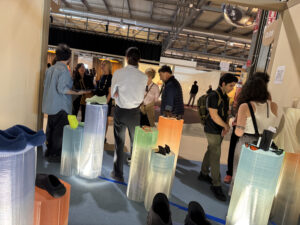
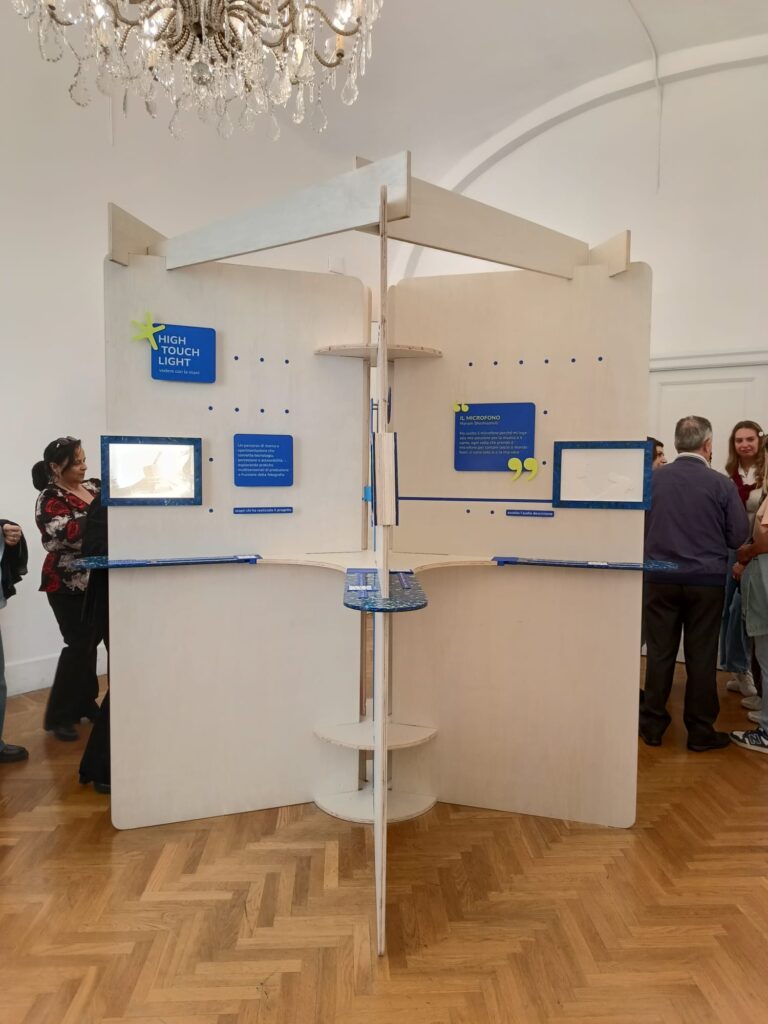
- a radial, star-shaped layout guiding visitors naturally through the space
- a continuous perimeter shelf acting as a tactile handrail
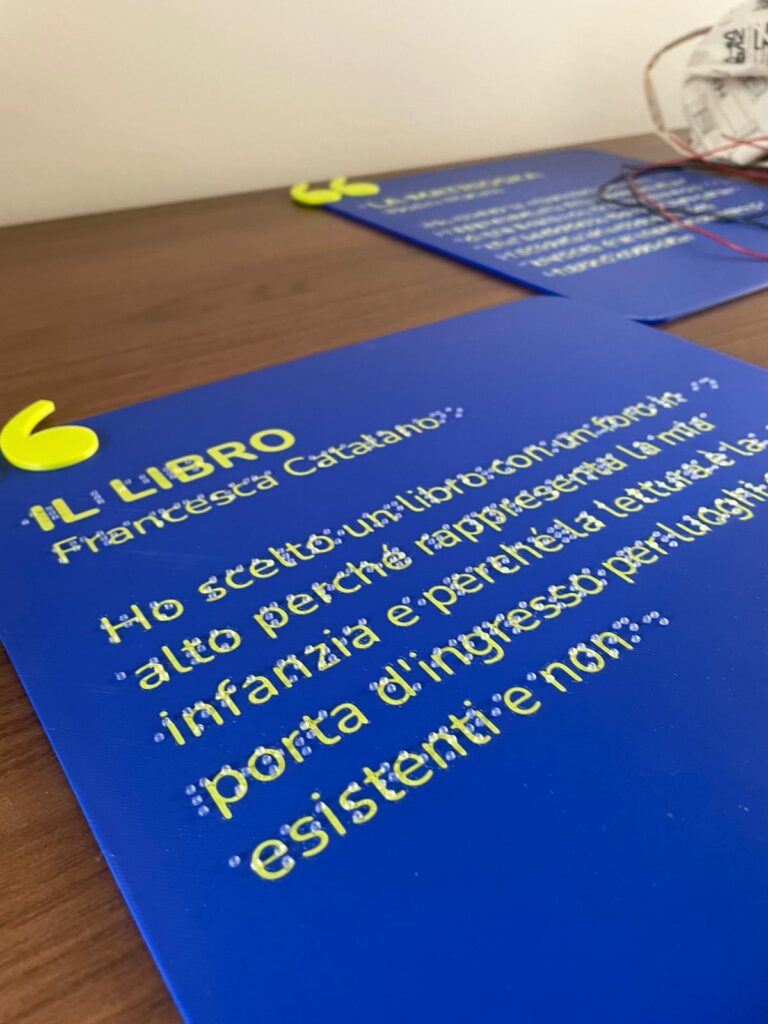
3D-printed Braille labels
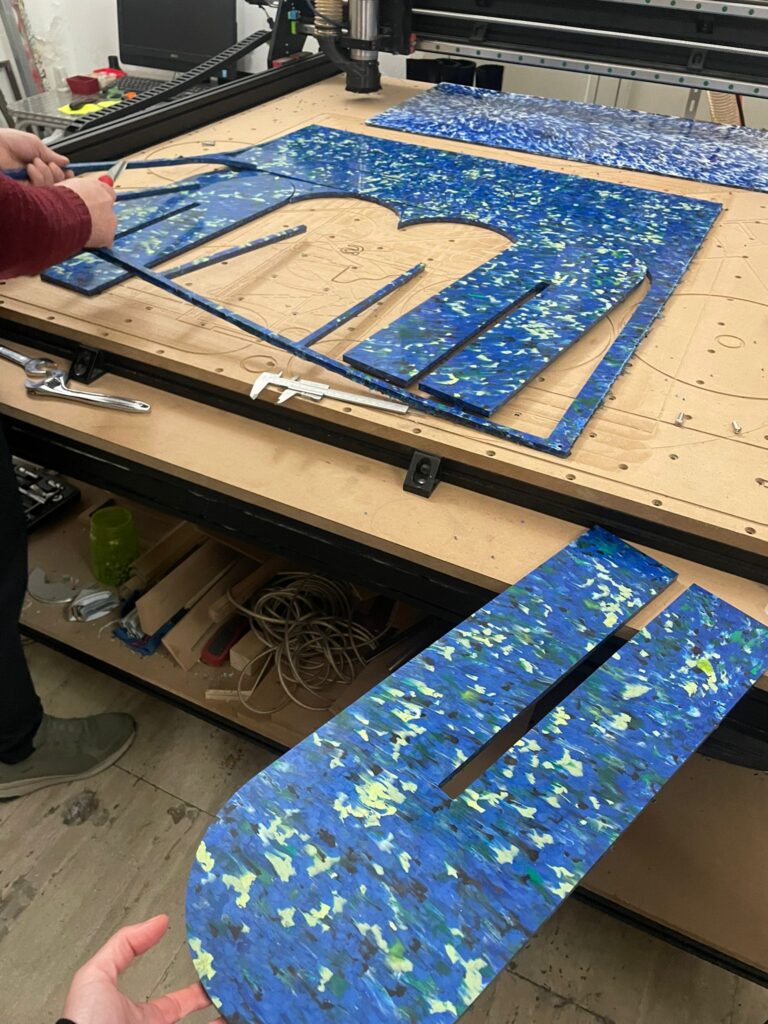
The shelf itself was produced using colorful panels made from recycled plastic bottle caps by Remade, reinforcing the project’s circular and inclusive ethos.
Information design played a key role in shaping the visitor journey. All infographics were produced as multicolor 3D-printed panels, with transparent Braille layered over printed text.
Visitors could:
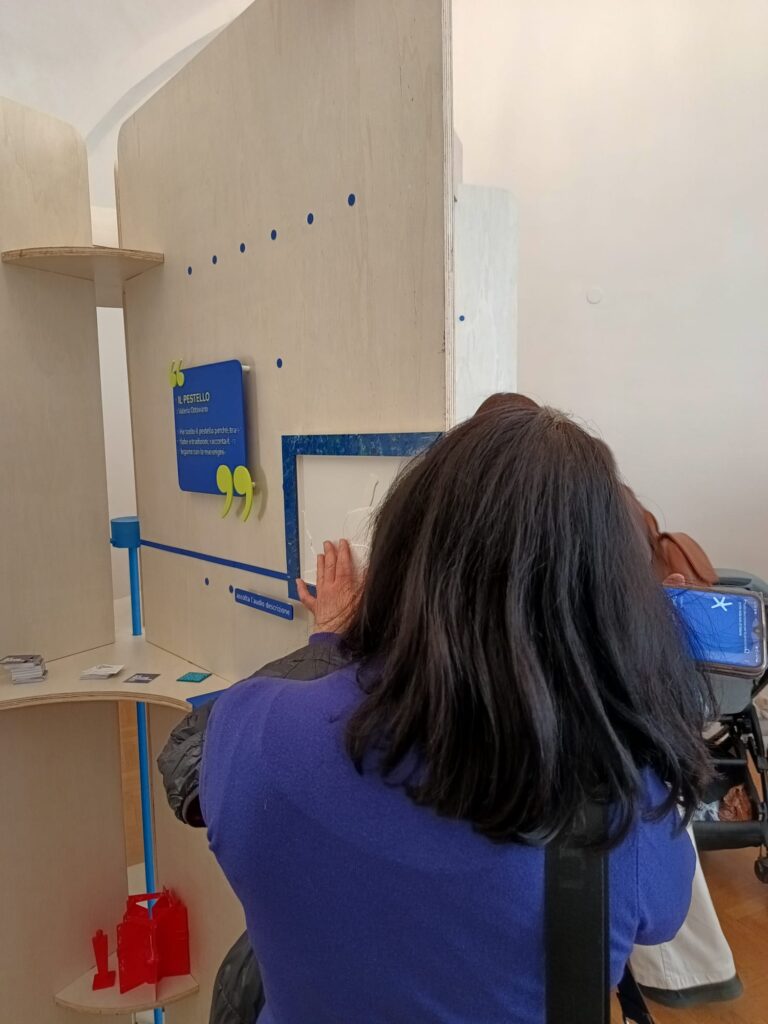
- explore tactile elements
- scan QR codes to hear the project story
- Listen to audio descriptions of each photograph while touching the corresponding object
The result was a dynamic, multisensory and inclusive exhibition experience.
Beyond the exhibition
High Touch Light demonstrates how AI, parametric design and additive manufacturing can create a new accessible language for photography. More than a single exhibition, the project establishes a replicable and adaptable workflow that opens new possibilities for inclusive cultural experiences and the future of tactile imagery.